
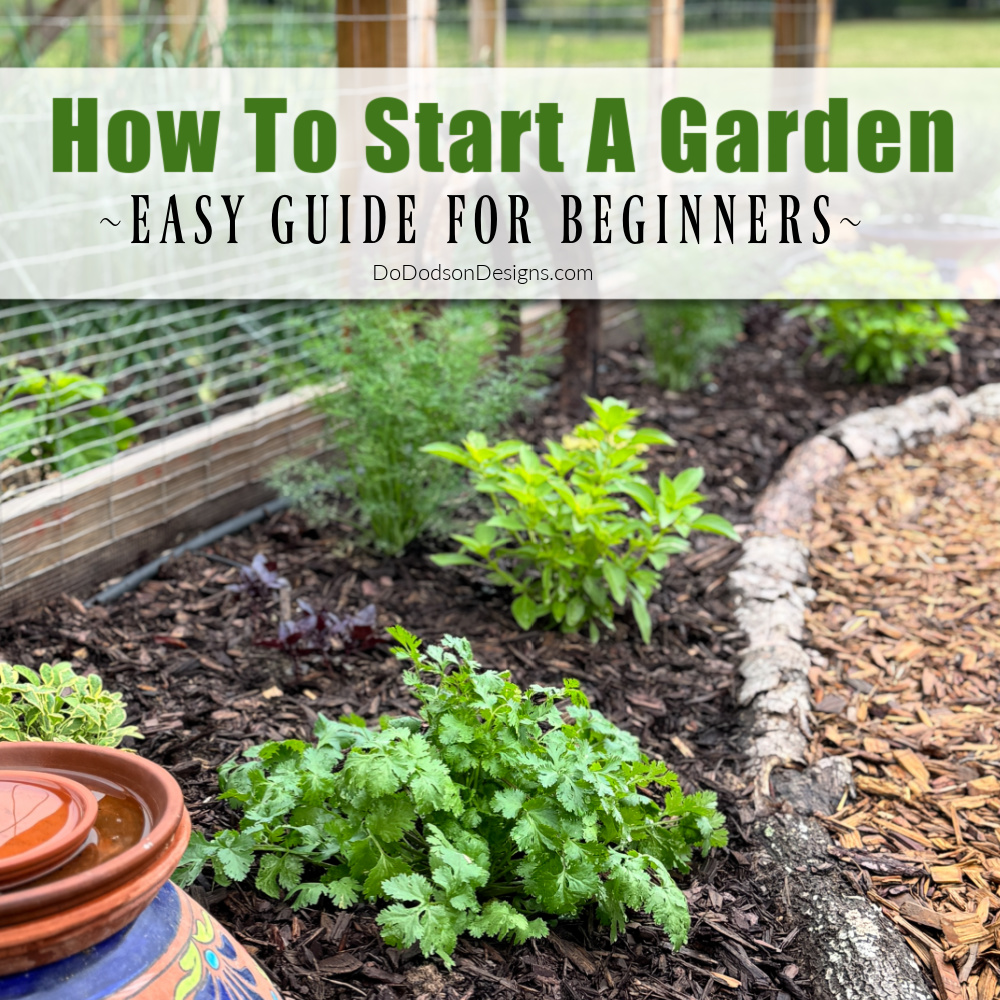

Starting your first vegetable garden might feel overwhelming—but it’s honestly one of the most rewarding DIY projects you can take on. There’s nothing like stepping outside and harvesting fresh food you grew yourself. And the best part? You don’t need a huge space or years of experience to get started.
Let’s walk through a simple, beginner-friendly way to create a thriving vegetable garden—even if you’ve never planted a thing before.
* As an Amazon Associate, I earn from qualifying purchases and through other companies as well. You will not be charged extra when you purchase through these affiliate links, but any income I make helps me create more amazing DIY projects to share with you! To see my full disclaimer, click here!
Why Should I Start a Veggie Garden?
Before we dig in (literally), here’s why so many beginners fall in love with gardening:
- Fresh, healthier, better-tasting food right from your backyard
- Saves money on groceries over time
- A relaxing, stress-reducing hobby
- A great way to live more sustainably
- It can be a great exercise and fun!
Starting a vegetable garden isn’t just about growing food—it’s about creating something meaningful right outside your door. Whether you have a big backyard or just a few containers on a patio, the benefits go far beyond what ends up on your plate.
Choosing the Right Location
The first step is choosing where your garden will live. Most vegetables love sunshine, so try to find a spot that gets at least six hours of sunlight a day. Morning sun is especially helpful because it’s gentler on young plants.
You’ll also want a place that drains well after rain and isn’t too far from a water source. Hauling a hose across the yard every day gets old fast—I’ve learned that the hard way.
If your yard isn’t ideal, don’t let that stop you. A few large pots on a patio or deck can grow just as much as a small garden bed.
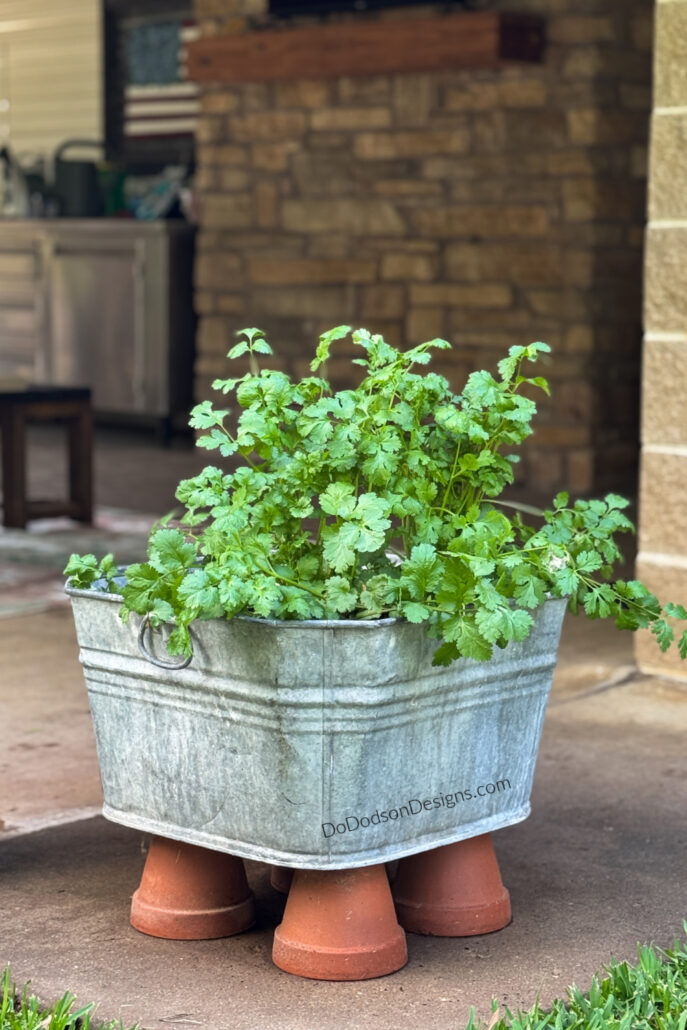
I get so much joy growing my herbs right on my back patio! I use a big, galvanized wash tub that I drilled drainage holes in. It’s super handy being right by the kitchen, so I can easily grab fresh herbs to make my cooking taste amazing.
Starting A Small Garden
It’s so easy to get caught up in the excitement of starting a garden and feel the urge to plant everything at once, especially when you’re brimming with enthusiasm for your new project. However, despite that initial impulse, starting small is actually one of the most beneficial approaches you can take, especially as a beginner.
A couple of containers or a small raised bed is more than enough for your first season. It gives you time to learn what works without feeling like you’re constantly trying to catch up.
Once you get the hang of it, you can always expand.
Choose Easy, Beginner-Friendly Plants
Is growing vegetables hard? At first, yes, but I discovered some vegetables are just easier than others, and starting with those will make the whole experience more enjoyable.
Lettuce is a great choice because it grows quickly and doesn’t need much attention. Tomatoes are another favorite, especially in containers. Green beans are dependable, and herbs like basil, parsley, cilantro, and dill are almost always a win. Oh, and don’t forget the peppers if you’re a spicy girl like me. WE love our jalapenos in Texas!
And don’t forget the cucumbers! They will grow like crazy on a trellis once they get going. Mine are just getting started, but I will cover this six-foot trellis and will produce more than enough. I give a lot of veggies away to our neighbors.🥒
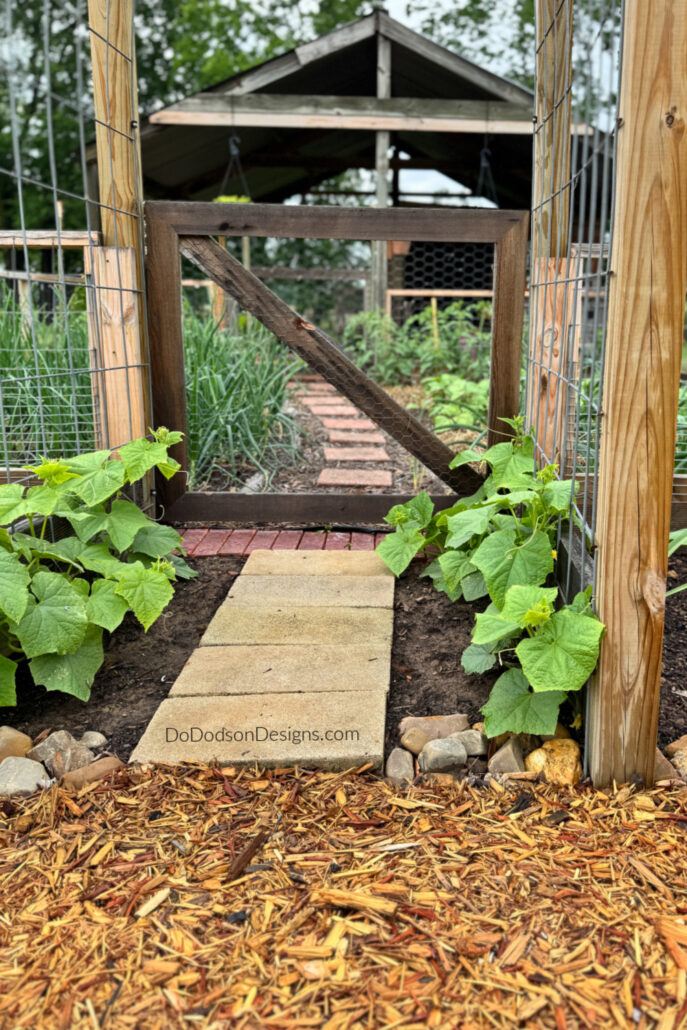
These kinds of plants give you quick results, which is exactly what keeps you motivated to keep going.
Focus on Good Soil
One thing you don’t want to skimp on is your soil. Healthy soil makes a huge difference in how your plants grow. Think of it as the foundation of your garden—a happy, thriving plant starts with good soil!
If you’re planting directly in the ground or setting up a raised garden bed, incorporating garden compost is an excellent way to enrich the soil and ensure your plants receive the essential nutrients they need for healthy growth and a bountiful harvest. When assessing your soil, strive for a texture that feels delightfully loose and uncompacted, allowing the roots of your plants to penetrate and spread easily, which is crucial for strong development. To further enhance your soil’s quality and support thriving plants, here are some practical soil improvement tips you can implement.
Soil Improvement Tips:
Compost: Incorporate well-rotted compost to enrich the soil with organic matter and essential nutrients. It’s a game-changer for plant health! You can purchase compost from garden centers or create your own using kitchen scraps and yard waste. Making your own is not only cost-effective but also reduces waste and provides a natural, rich resource for your garden.
Mulch: Apply a layer of mulch (such as wood chips or straw) around the plants, leaving 4-6 inches from the base of the plant. This helps retain moisture, suppresses weeds, and gradually decomposes, enriching the soil.
Avoid Compaction: Refrain from walking on the garden beds, especially when wet, to prevent soil compaction.
* For containers, it’s best to use a good potting mix rather than soil from your yard. It drains better, helps prevent problems before they start (such as root rot), and allows roots to breathe.
Click here to learn➡️ How To Amend Garden Soil Before Planting.
Starting Seeds Directly in the Ground
Starting vegetables from seed might sound a little intimidating at first, but it’s actually one of the most rewarding parts of gardening. Watching something grow from a tiny seed into a thriving plant never really gets old.
If you want to keep things simple, planting seeds straight into your garden bed is one of the easiest ways to get started. This method—often called “direct sowing”—skips the extra step of starting seeds indoors and works beautifully for many vegetables.
Timing is everything! Seeds need warm soil to pop, so wait ’til after the last frost in your area. And, make sure you know your planting zone. I’m in 8b, which is warm, and April is pretty safe for us to direct-sow seeds. Once the weather is on your side, you can plant directly into your garden and let nature do the rest.
Start by loosening your soil 6-8 inches deep so it’s soft and easy for roots to grow. You don’t need to dig too deep—just break up the top layer and remove any rocks or debris. If you’ve added compost, even better. That extra boost helps seeds get off to a strong start.
When planting, follow the depth instructions on your seed packet. A good rule of thumb is to plant seeds about twice as deep as their size. Smaller seeds can simply be pressed into the surface, while larger ones need a little more coverage.
After planting, gently water the area so the soil is evenly moist. Try not to flood it—just keep it consistently damp while the seeds are getting established. This could mean more than once a day if your weather is warming up quickly. Within a week or two, you’ll start to see tiny sprouts pushing through the soil.
Easy Vegetables To Direct Sow
- Root Crops – carrots, radishes, beets
- Legumes – peas and beans
- Leafy Greens – lettuce, spinach, arugula, swiss chard
- Large Seeded Summer Veggies – corn, cucumbers, squash, melons, zucchini
- Herbs – cilantro and dill
These tend to grow quickly and don’t like being transplanted, which makes them perfect for this method.
Starting seeds in the ground is simple, low-maintenance, and a great way to build confidence as a beginner. There’s something really special about planting a seed and watching it grow right where it’s meant to thrive.
Watering Without Overthinking It
Watering can feel tricky at first, but it doesn’t have to be.
Here’s a simple watering plan that will keep your vegetable garden thriving: Aim to water your plants in the early morning hours. This keeps the soil nicely moist, avoiding both overly wet conditions and complete drying out. A great way to check the soil is to simply insert your finger about an inch into the ground. If it feels dry to the touch, it’s time to give your plants some much-needed hydration. When watering, always apply water directly to the base of the plant. Avoid overhead watering, as this can lead to fungal diseases and other plant health problems.

Adding a layer of mulch around your plants can be a game-changer for your garden! It’s awesome at helping the soil hold onto water, especially during those hot, dry days, protecting the roots from getting fried by the sun, and cutting down on how often you need to water, which saves you time and keeps your plants happy.

A Little Maintenance Goes a Long Way
You don’t need to spend hours in the garden every day to be successful, although once you get started, you might find it hard to pull yourself away. I seriously could live in my garden!
Just make sure to check in regularly, it makes all the difference.
Just keep an eye out for weeds and pull them up when you see them. They steal nutrients and water from your plants! Also, don’t be shy about harvesting your veggies. For many veggies, the more you pick, the more they give.
It’s way less of a chore and more something you actually look forward to. My routine is a 7 am coffee☕stroll through the garden during the growing season! It really jump-starts my day.
Why Raised Beds Are So Beginner-Friendly
Thinking about starting your vegetable garden layout? Definitely consider raised beds! They’re worth the effort you will put into them.
They give you total control over your soil, so you can make it exactly what your plants need for super growth and a great harvest. Plus, they drain super well, which stops root rot and soggy soil from ruining your plants. The raised design can also be a lifesaver for your back, so you don’t have to bend over so much. And they make your garden look neat and tidy, so you can spend more time enjoying it!
And if you’re someone who enjoys diving into DIY projects, constructing your own raised bed can transform into an incredibly rewarding and enjoyable weekend activity. In fact, it’s even better when you can get creative and resourceful by utilizing materials you might already have on hand, such as scrap wood or perhaps even some sturdy old logs from a dead tree – these can be fantastic and cost-effective options for creating a secure and natural barrier to hold your soil in place, adding both character and practicality to your new garden creation.

More Gardening Inspiration
PIN this for later! 📌
Sharing My Thoughts
Starting a small veggie garden is an awesome adventure, not about being perfect, but about actually doing it! The real reward comes from taking those first steps, from dreaming it up to making it happen. And don’t stress about getting it right – it’s all about learning as you go! It’s another DIY project you can be proud of.
Just give your plants some sun, good soil, and a little love, and they’ll surprise you. It’s okay if you talk to them, too. I do! 🤭
Soon you’ll be so happy stepping outside to grab your fresh veggies with the sun on your face, and you’ll be kicking yourself for not starting sooner!
Thanks for being here! If you dug 😉this, let me know what you think in the comments below. And don’t forget to pin this to your gardening board on Pinterest! Happy gardening!
Until the next project… xo, Do
Awesome post and I’m a HUGE fan of growing your own food so I appreciate all the tips. Here in the GTA our gardening season is short, so I cherish the days I can get out there and spend time digging and playing in the garden. And then it’s so fun to eat the fresh-grown products and share with family and friends! Enjoy my friend and have a great weekend! Hugs XOXO
Hi Denise! We’re blessed to actually have two seasons to grow in East Texas. Spring is a fresh beginning while Summer burns everything it all up. Then we get a second chance in the Fall. There’s nothing better than fresh veggies right outside your door.
Sending some warm days ☀️ your way soon. Thanks for reading. Have a wonderful weekend. xo 😘