
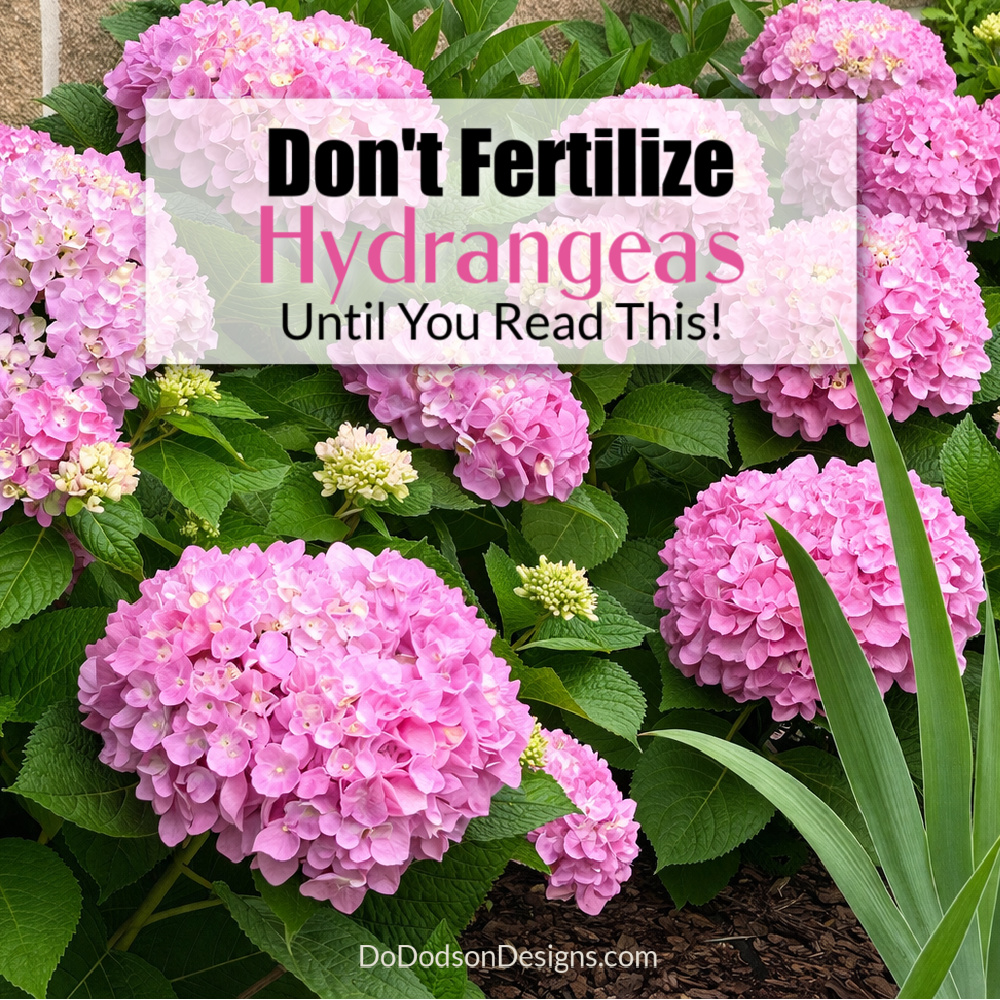

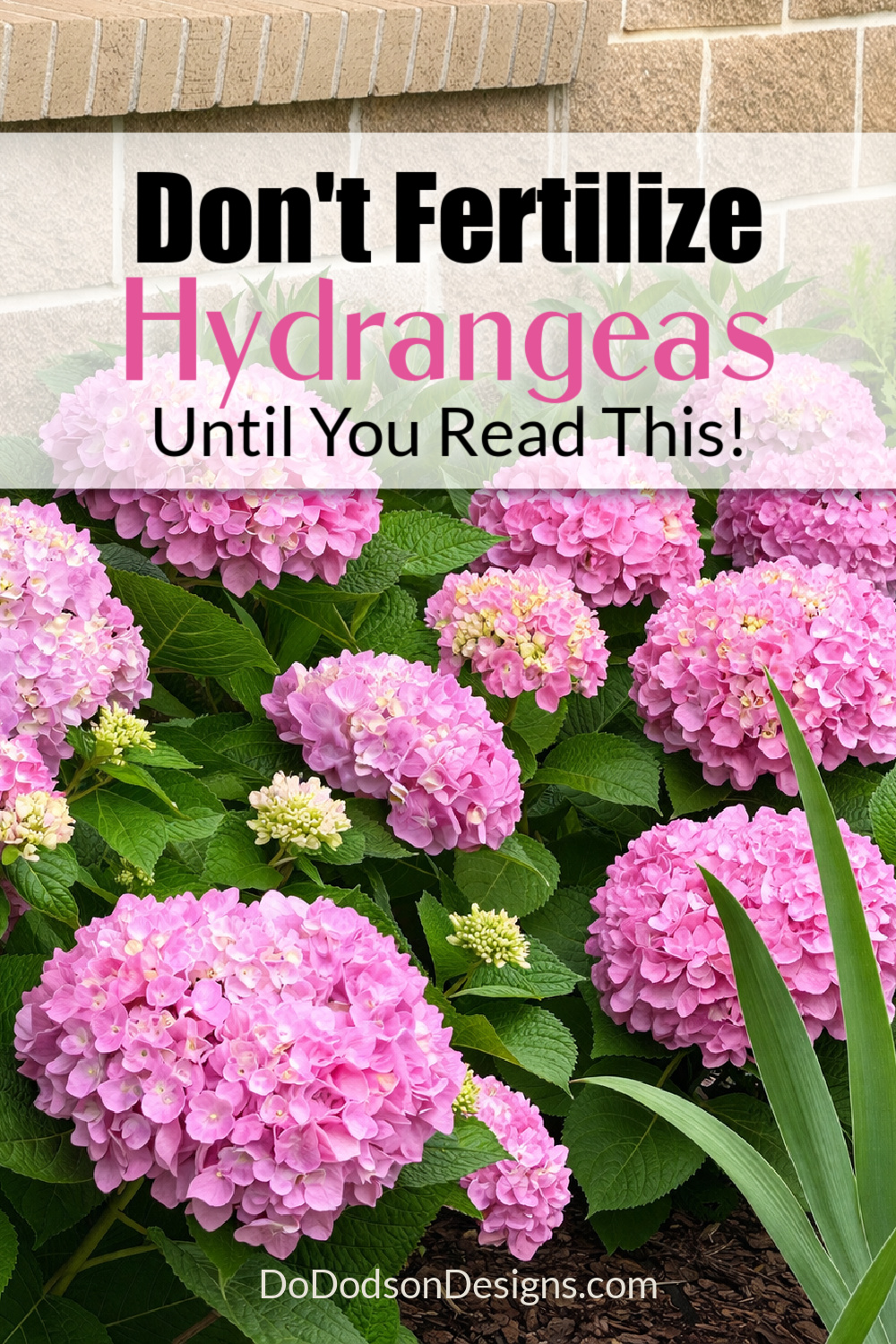
Hydrangeas have a way of stealing the show in any garden… but if yours aren’t blooming as you hoped, it might not be the plant—it might be the timing. Knowing when to fertilize hydrangeas can make all the difference in helping them thrive.
Fertilizing hydrangeas isn’t about doing more; it’s about when and at the right time. Once you get that part right, everything else starts to fall into place. Let me walk you through it in a simple way so you can get those full, healthy blooms we all love.
* As an Amazon Associate, I earn from qualifying purchases and through other companies as well. You will not be charged extra when you purchase through these affiliate links, but any income I make helps me create more amazing DIY projects to share with you! To see my full disclaimer, click here!
Why Fertilizing Makes Such a Difference With Hydrangeas
Hydrangeas aren’t overly fussy, but they do need a little support (fertilizing) to really thrive. When they’re fed at the right time, you’ll notice stronger stems, healthier leaves, and blooms that feel fuller (heavier) and more vibrant.
On the flip side, fertilizing at the wrong time—or too much—can actually give you lots of leafy growth without many flowers. While the greenery is beautiful, that’s usually not what we’re going for.
The Best Time to Fertilize
The most important time to fertilize your hydrangeas is early spring, right when you start to see new growth. This is when your hydrangea is waking up from winter and getting ready to put on its biggest show.
I like to think of this as the “foundation feeding.” It’s what sets everything up for the rest of the season.
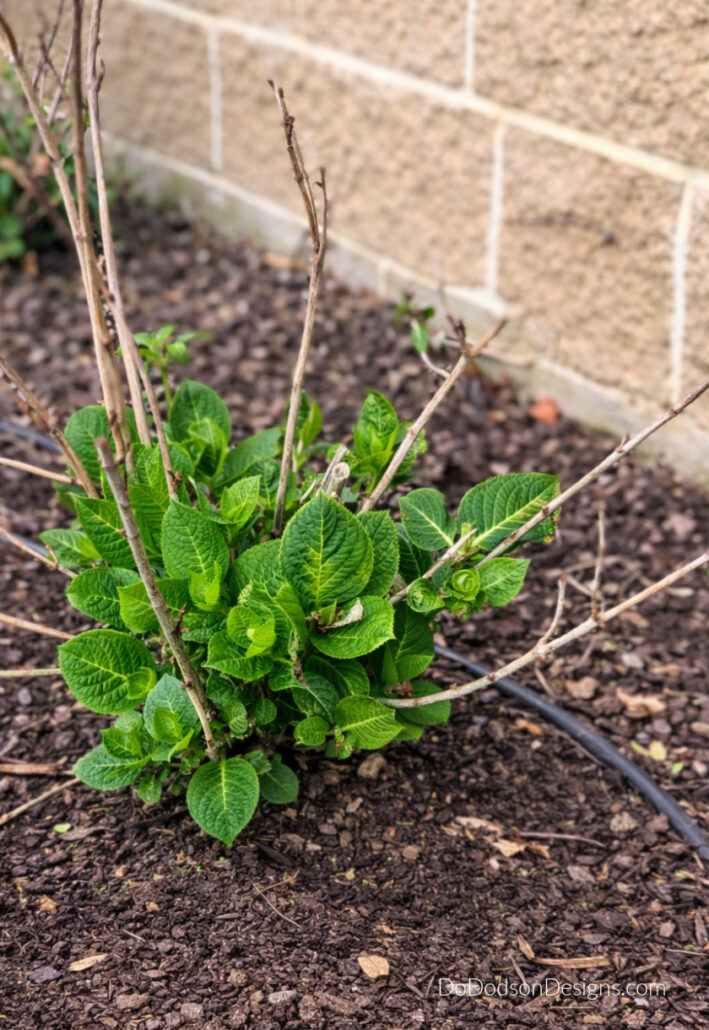
A balanced, slow-release fertilizer works really well here and can give your hydrangeas what they need without overwhelming them.
As the season moves into late spring and early summer, you can give your hydrangeas a little boost if they seem like they need it. Maybe the leaves look a little pale or growth feels slow—this is your cue. Just keep it light. A little goes a long way.
By mid to late summer, your hydrangeas are focused more on blooming than growing. At this point, fertilizing becomes less important, and too much can actually take away from those flowers.
And once fall rolls around, it’s best to stop altogether. Fertilizing too late can encourage new growth that won’t handle cooler temperatures well, and it can do more harm than good.
Choosing the Right Fertilizer For Hydrageas
You don’t need anything complicated here. A simple balanced fertilizer like Garden Wise 10-10-10 is a great place to start and works for most hydrangeas.
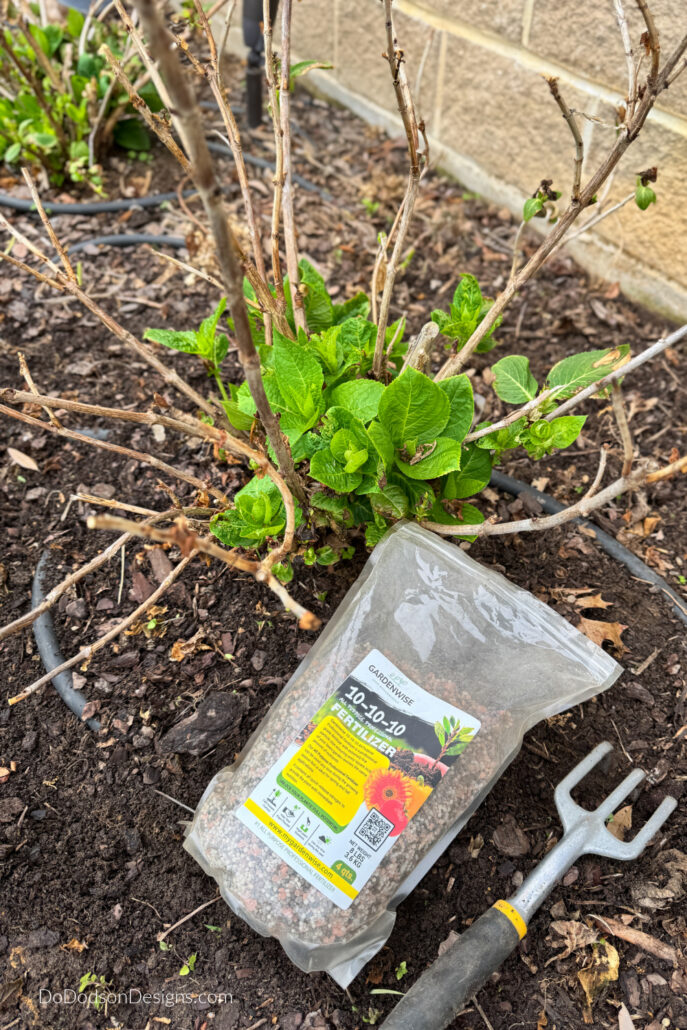
Before you start, make sure your hydrangeas are super watered. This helps them avoid stress and allows them to soak up nutrients better. I like to loosen the soil around the base first, then sprinkle the fertilizer evenly. After that, gently mix it into the soil with the mulch – it creates a happy, healthy environment for your plants!
It also helps to keep the soil around your hydrangeas consistently moist, especially during warmer months. Adding mulch around the base is one of those simple things that really pays off—it holds in moisture and keeps the roots happy.
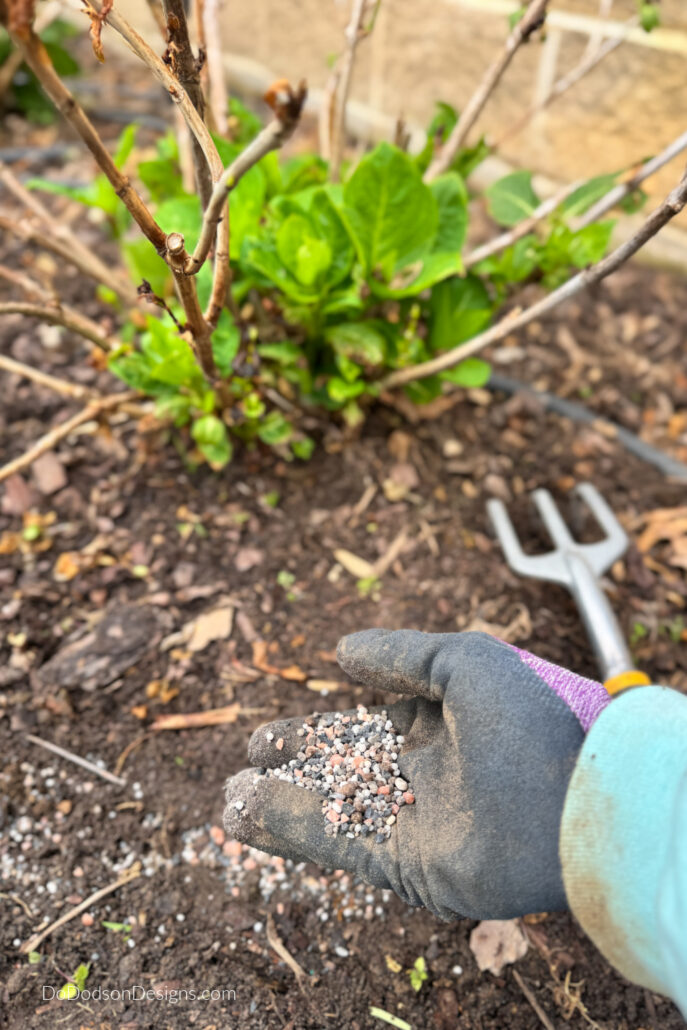
Key Nutrients In Fertlizer Explained:
Have you ever wondered what the numbers on the fertilizer bag mean? It’s good to know, so let me break it down for you.
- Nitrogen (N): Promotes lush, green leafy growth.
- Phosphorus (P): Encourages strong root growth and blooming/fruiting.
- Potassium (K): Increases overall plant health, stress tolerance, and disease resistance
If your plants are growing well but not blooming much, switching to something with a little more phosphorus can help encourage those flowers.
And if you prefer to keep things natural, adding compost or well-aged organic matter can be just as effective over time. It’s a slower approach, but a really good one.
One Important Thing to Remember
If there’s one thing to remember, it’s this—hydrangeas don’t need constant feeding, just well-timed fertilizing. Sometimes the best results come from doing less.
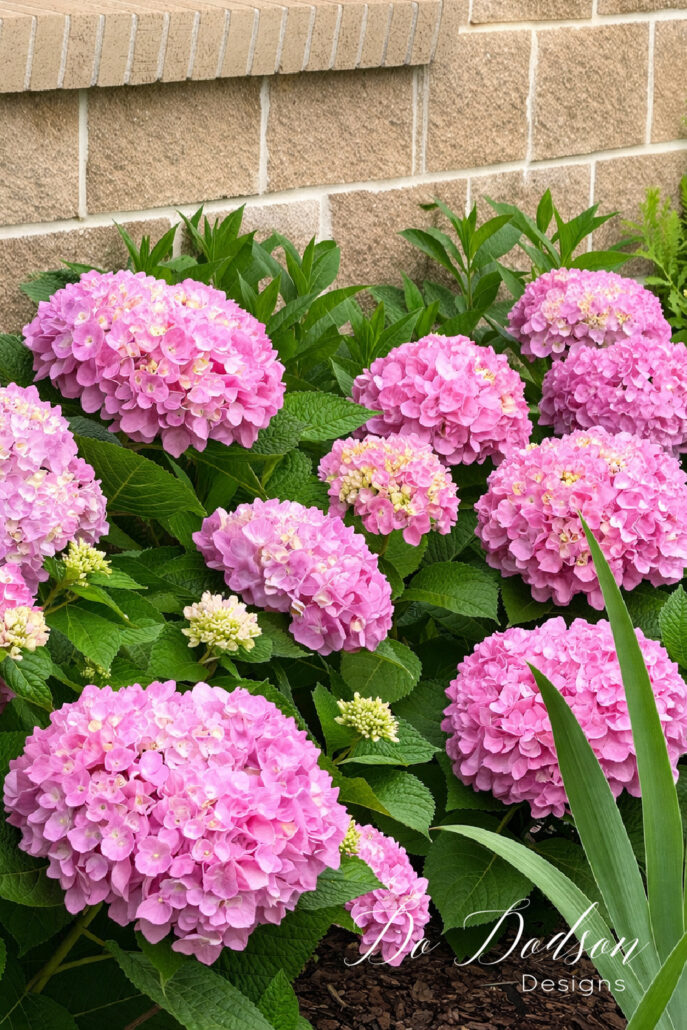
I have to say I’m incredibly proud of the hydrangea bushes in my garden. In fact, the story of these beautiful plants began when we first purchased our home; we were fortunate enough to inherit them – a single, yet remarkably expansive, bush that dates back 25 years +. It was transplanted from the owner’s mother-in-law, and, to my knowledge, she had it for who knows how long.
Over the past four years, I’ve successfully divided the hydrangea bush into four plants and shared extras with friends through propagation. She now lives spreading joy in many gardens.
If you’re a gardening maniac like me, you might find these posts helpful too. I could live in the garden as long as I had coffee in hand. 😍☕Pure serenity!
You Got This!
Once you get the timing down, fertilizing your hydrangeas becomes second nature. And when those blooms start showing up bigger and fuller, you’ll know it was worth it.
It’s one of those small shifts that makes a big difference in your garden.
I’m totally obsessed with my hydrangeas! And gardening! 🌸😁🌸 If you have any hydrangea questions I didn’t cover, hit me up! Just comment below, and I always love hearing from you guys. Share your hydrangea stories, too!
Happy gardening!
Until the next project… xo, Do
this product is complimentary.